

Herniated Disc Specialist in Fairfax, VA
The spine is made up of 33 bones, and they are called the vertebrae. In between these bones are discs that are soft and jelly-like. They cushion the vertebrae and absorb shock when you twist, bend, or move.
A herniated disc, also known as a slipped disc, occurs when a disc moves out of its position between two vertebrae. This usually causes intense pain as spinal nerves can be irritated or inflamed by this slip.
It is important to seek professional evaluation as soon as possible to avoid worsening of your symptoms. Chiropractic care is a non-invasive option that many people with herniated discs try before considering surgery. Dr. Gregory Lee DC is a leading Fairfax Chiropractor, VA, with extensive experience treating herniated discs.
This page provides information on causes, symptoms, and treatment for herniated discs. Call us at (703) 373-7113 to book an appointment.






Symptoms of Herniated Disc
Most times, herniated discs occur in the lower back or the neck. Symptoms may also indicate if there is nerve involvement, which usually affects a part of the body.
Sharp pain can also be felt in your thigh, calf, or buttock if the herniated disc is in the lower back. If the affected disc is in the neck, the shoulder and arm may hurt.
There is a tingling sensation or numbing when the slipped disc presses against a nerve.
Muscles are also affected, and weakness may be observed. A patient may have trouble holding items, or may stumble when walking.
In some cases, a person may have a slipped disc and may not show symptoms. This is usually confirmed on imaging of the spine.
Long Term Problems Due to Ignoring Herniated Disc
Herniated discs can be painful and disruptive to daily life. Because a herniated disc affects the spine, symptoms that are not addressed may last longer and lead to ongoing back or leg pain.
Most slipped discs improve with time and conservative care. A chiropractor can evaluate your symptoms and guide your treatment. Without proper care, symptoms persists and make daily activities harder.
In rare cases, when nerves at the base of the spine are compressed, the bladder or bowel can be affected, causing urinary or fecal incontinence.
Some patients lose feeling in their inner thighs, rectum, or the back of the leg, a condition known as “saddle anesthesia.” This can be a sign of cauda equina syndrome, so seek emergency medical care right away.
Causes of Herniated Disc
Mostly, the discs age for years and weaken. Even the ligaments holding the spine in place may lose integrity as the years go by. When this happens, a regular movement or slight twist may cause a disc to rupture.
Also, strenuous activity or heavy lifting can sometimes trigger a herniated disc. Athletes and people in physically demanding jobs may be more prone to it.
Types of Herniated Disc
Herniation typically occurs when the material inside a disc slips out of position from the vertebral column. Types of herniated discs include:
Here, the disc’s outer layer (annulus) stays intact, but part of it bulges outward and presses on nearby nerves. A disc protrusion may cause mild symptoms or none at all, and it can sometimes progress to a prolapse.
A disc prolapse occurs when the outer layer of the disc tears and the soft inner center pushes out into the spinal canal. This can press on nearby nerves or the spinal cord.
This is very common in middle-aged and young adults.
Home Remedies For Herniated Disc
- You may temporarily relieve pain by pressing a heat or ice pack on affected muscles to reduce inflammation.
- It also helps to lie on your stomach, with pillows supporting your hips from underneath.
- Focus on good sitting, standing, and sleeping postures.
- Avoid repetitive bending and reaching.
- There are special exercises that can ease pain and movement from a slipped disc. Chiropractors and physical therapists could recommend some for you.
- Over-the-counter pain medications may help reduce acute pain.
Treatment for Herniated Disc
- The first approach to treating herniated discs is usually non-invasive. You may be required to reduce physical activity for a few days, to reduce inflammation. However, total rest is not beneficial.
- Physicians may recommend an NSAID for mild to moderate pain which can reduce pain and inflammation temporarily.
- Pain medication and muscle relaxants may also be beneficial in conjunction with physical therapy.
- Physical therapy may include pelvic traction, gentle massage, ultrasound, electrical muscle stimulation, and stretching exercises.
- When conservative methods do not suffice, a doctor may recommend surgery.
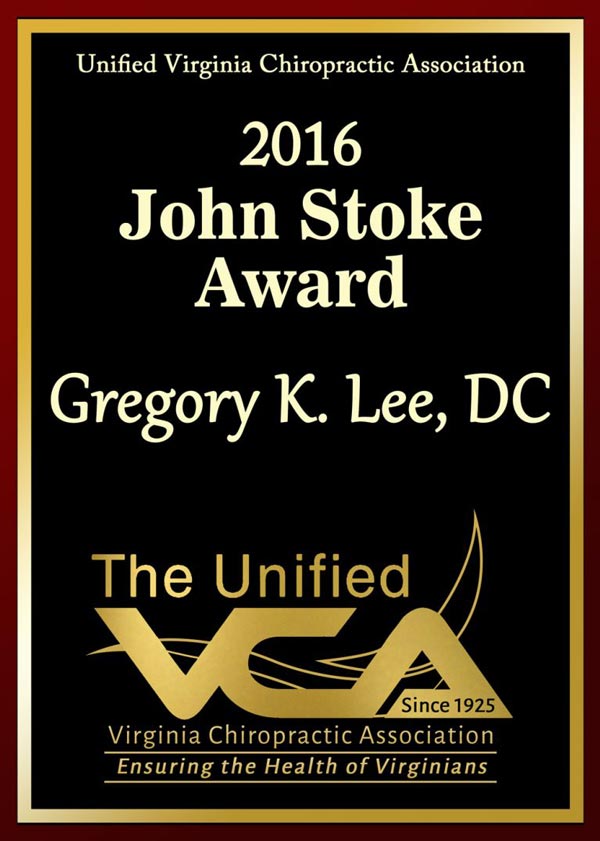
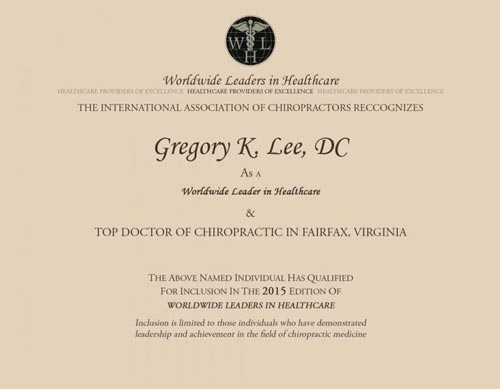
Awards & Recognition




Book an Appointment
Please use the booking tool below to request an appointment. Our patient care coordinator would call you shortly to discuss your symptoms and finalize your appointment.
How Do We Treat Herniated Disc?
- (703) 373-7113
Let Us Help to treat your Herniated Disc/Slipped Disc
Do not ignore your Herniated Disc/Slipped Disc, it can become worse overtime. It’s important to consult with the doctor and understand the root cause of Herniated Disc/Slipped Disc.
Frequently Asked Questions About Herniated Disc
I Didn’t Do Anything So How Can A Disc Be Involved?
These cases may simply be age-related degeneration of a spine leading to a herniated disc. It is recommended to see a doctor for proper diagnosis and management.
Does Medical Insurance Cover Herniated Disc Treatment?
Medical insurance covers a broad range of medical conditions, and you may have to confirm with your provider to ensure this particular issue is covered. If you need our help, our team can assist you in finding out which services are covered under your plan, so you have a clear understanding of what to expect.
Can A Slipped Disc Go Back Into Place?
It is not possible to push back a herniated disc into position with some sort of physical manipulation such as a “lumbar pressure.” The natural timeline of a prolapsed disc could result in some resorption into position with time.
How Should You Lie Down With a Slipped Disc?
- If you are sleeping on your back, it is recommended to keep a pillow under your knees
- If you sleep on your side, place a pillow between your knees to reduce tension on your hips
- Try to maintain positions that allow the spine to keep its normal curvature. For this, sleeping on your back may be the most preferred choice, as it maintains a natural alignment.
- Patients with herniated discs on the neck should avoid using too many pillows to prop the neck, as this may aggravate pain
How Long Does It Take For A Herniated Disc To Reabsorb?
It typically takes several weeks of physical therapy and other intervention for the pain and inflammation from a herniated disc to go away. However, this is a gradual, consistent process that takes patience and effort from both the patient and the therapist to achieve.
What Exercises Should I Avoid With A Herniated Disc?
High impact aerobics such as running, jumping, stair-climbing can put a lot of repetitive strain on your back muscles and on an already injured disc.
Flexion-based activities, which include bending down to pick something up, traditional biking, sit-ups, toe touches, and deep squats, are particularly hard on the disc and can lead to a further back injury.
Also, when a herniated disc is healing, twisting movements can cause unnecessary force and worsen lower back pain.
How Painful Is Herniated Disc?
In mild or moderate cases, symptoms may improve within a few weeks. Chronic, severe slipped discs can cause ongoing pain, and some people need stronger pain medications, physical therapy, or surgery.